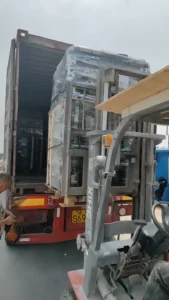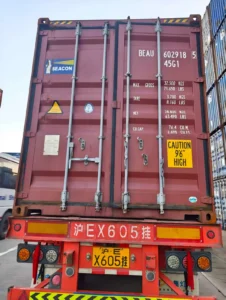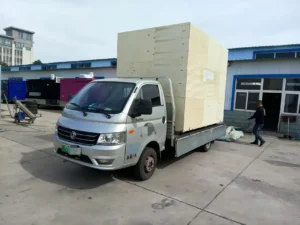
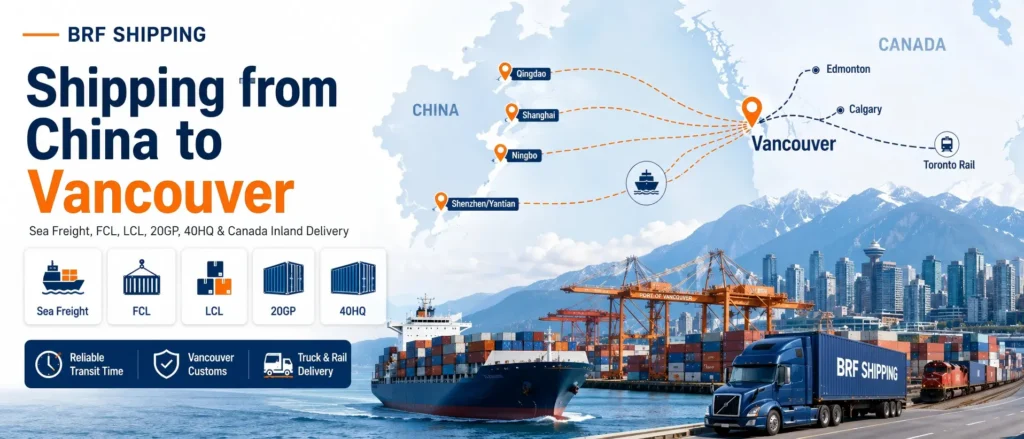
Shipping from China to Vancouver is one of the most important freight routes for importers moving commercial cargo from Chinese manufacturing regions into Western Canada and onward to inland Canadian markets.
Vancouver is not only a destination for British Columbia cargo.
For many shipments, it also acts as the Canadian gateway for cargo continuing by rail or truck to:
- Calgary
- Edmonton
- Winnipeg
- Toronto
- Other inland Canadian destinations
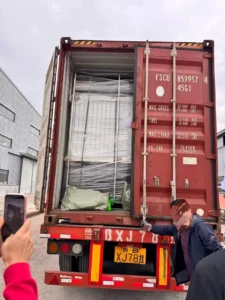
A complete China-to-Vancouver logistics solution can include factory pickup in China, warehouse receiving, container loading, export customs clearance, FCL or LCL sea freight, Vancouver terminal handling, Canadian customs clearance, rail transportation and final truck delivery.
BRF SHIPPING can coordinate the shipment from the Chinese supplier to the final Canadian destination according to the cargo type, Incoterm and delivery requirements.
For a broader country-level overview, see our Shipping from China to Canada guide.
China to Vancouver Shipping Overview
A typical China to Vancouver shipping process can be organized as:
China Supplier
↓
Factory Pickup
↓
China Warehouse or Container Loading
↓
Export Customs Clearance
↓
China Port
↓
Sea Freight
↓
Vancouver Terminal
↓
Canadian Customs Clearance
↓
Truck or Rail
↓
Final Delivery
The correct shipping plan depends on:
- Chinese supplier location
- Cargo volume
- Cargo weight
- Container type
- Cargo-ready date
- Incoterm
- Canadian final destination
- Required transit time
- Customs requirements
For larger shipments, FCL is usually considered.
For smaller commercial cargo, LCL consolidation can be used.
Shanghai to Vancouver Shipping
Shanghai is one of the principal China gateways for containerized exports to Canada.
A typical route is:
Factory → Shanghai Port → Vancouver → Canada Delivery
Shanghai can be practical for cargo produced in:
- Shanghai
- Jiangsu
- Parts of Zhejiang
- Anhui
- Nearby Eastern China manufacturing regions
BRF SHIPPING can arrange factory pickup, container trucking, export customs declaration and carrier booking through Shanghai.
Typical cargo may include:
- Machinery
- Automotive components
- Industrial parts
- Furniture
- Building materials
- Consumer products
- E-commerce inventory
- Equipment
The total freight cost should be calculated from the factory location to the final Canadian destination rather than comparing only the Shanghai-to-Vancouver ocean rate.
Ningbo to Vancouver Shipping
Ningbo is another major departure port for freight from China to Vancouver.
It is especially relevant for factories located in Zhejiang Province and surrounding manufacturing regions.
Common products shipped through Ningbo include:
- Furniture
- Hardware
- Aluminum products
- Building materials
- Plastic products
- Household goods
- Machinery
- Auto parts
When both Shanghai and Ningbo are practical, the best choice should consider:
Factory Pickup Cost + Origin Charges + Ocean Freight + Schedule + Vancouver Destination Cost
A lower ocean freight rate does not always mean a lower complete logistics cost.
BRF SHIPPING can compare both ports before booking.
Shenzhen / Yantian to Vancouver Shipping
Shenzhen and Yantian are important South China gateways for Canada-bound cargo.
These ports are commonly used for suppliers in:
- Shenzhen
- Dongguan
- Huizhou
- Foshan
- Guangzhou
- Other parts of Guangdong
A typical route can be:
Guangdong Factory → Shenzhen / Yantian → Vancouver
South China exports commonly include:
- Electronics
- Furniture
- Lighting
- Consumer products
- Packaging
- Hardware
- Machinery
- E-commerce inventory
- Manufactured goods
For a full container shipment, BRF SHIPPING can arrange container positioning at the factory or move the cargo to a warehouse for loading.
For several suppliers, cargo can also be consolidated before export.
Qingdao to Vancouver Shipping
Qingdao is a major gateway for Northern China and is particularly suitable for cargo produced in Shandong Province.
A typical logistics chain is:
Shandong Factory
↓
Qingdao Port
↓
Vancouver
↓
Customs Clearance
↓
Canada Rail / Truck
↓
Final Delivery
Typical Qingdao export cargo can include:
- Fitness equipment
- Machinery
- Aluminum products
- Tires
- Construction materials
- Industrial products
- Auto parts
- Metal products
BRF SHIPPING can coordinate pickup throughout Shandong and surrounding regions before arranging export through Qingdao.
For suppliers located in Northern China, choosing Qingdao can help reduce unnecessary domestic trucking compared with routing the container through a distant southern or eastern port.
Sea Freight from China to Vancouver
For most commercial containerized cargo, sea freight China to Vancouver provides the primary transportation option.
Sea freight is usually suitable when:
- Cargo volume is relatively large
- Transit time is flexible
- Products are not urgently required
- The shipment is suitable for FCL or LCL
- The importer wants to control freight cost per unit
The main options are:
FCL — Full Container Load
and
LCL — Less than Container Load
For complete information about BRF SHIPPING’s ocean services, visit our Sea Freight from China page.
FCL Shipping from China to Vancouver
FCL means one importer books the entire shipping container.
Common container options include:
- 20GP
- 40GP
- 40HQ
FCL provides several advantages for suitable cargo:
- Dedicated container space
- Less cargo handling
- Easier supplier consolidation
- Better control of loading
- Suitable for high-volume shipments
- Often more efficient for larger cargo volumes
A full container can be loaded directly at the factory or at a warehouse.
20GP Shipping to Vancouver
A 20GP provides approximately 33 CBM of internal capacity.
It is commonly used for relatively heavy or dense products such as:
- Machinery
- Metal products
- Hardware
- Industrial equipment
- Dense building materials
- Auto parts
A typical route can be:
China Factory → 20GP Loading → China Port → Vancouver → Customs → Delivery
For detailed 20GP pricing information, see our 20ft Container Shipping Cost from China to Canada guide.
40GP Shipping to Vancouver
A 40GP provides significantly more cargo space than a 20GP.
It is suitable for general-volume commercial cargo where the additional height of a 40HQ is not necessary.
Typical cargo may include:
- Machinery
- Furniture
- Packaged products
- Equipment
- Automotive parts
- Building products
Before booking, compare the cargo volume and actual packing dimensions.
40HQ Shipping to Vancouver
A 40HQ provides approximately 76 CBM of internal capacity and is one of the most common container types used for high-volume exports.
It is particularly useful for:
- Furniture
- Aluminum fencing
- Gates
- Packaging
- Consumer goods
- E-commerce products
- Plastic products
- Lightweight building materials
- Bulky cargo
For detailed 40GP and 40HQ cost information, see our 40ft Container Shipping Cost from China to Canada guide.
LCL Shipping from China to Vancouver
LCL allows multiple importers to share the same container.
Instead of paying for the entire container, the importer pays according to the shipment’s chargeable volume or weight.
LCL can be suitable for cargo such as:
- 1 CBM
- 3 CBM
- 5 CBM
- 8 CBM
- Small palletized shipments
- Small commercial orders
A typical process is:
Supplier Pickup
↓
China CFS Warehouse
↓
Cargo Consolidation
↓
Container Loading
↓
Sea Freight
↓
Vancouver CFS
↓
Deconsolidation
↓
Customs Clearance
↓
Truck Delivery
LCL quotations should include more than the basic ocean freight rate.
Origin CFS, consolidation, destination CFS and local delivery can represent a significant part of the total cost.
For a detailed explanation, see our LCL Shipping Cost from China to Canada guide.
FCL vs LCL from China to Vancouver
The best option depends primarily on cargo volume, weight and delivery requirements.
| Factor | LCL | FCL |
|---|---|---|
| Container Space | Shared | Dedicated |
| Typical Cargo | Small shipments | Larger shipments |
| Pricing | CBM / chargeable volume | Per container |
| Handling | More handling | Less handling |
| Consolidation | Required | Not required |
| Container Control | Limited | Full container |
| Best For | Small cargo | Larger commercial shipments |
As cargo volume increases, importers should compare the complete LCL cost against a 20GP quotation.
At a certain point, a full container can provide better overall value.
China to Vancouver Transit Time
Transit time varies by origin port, carrier, schedule and whether the service is direct or transshipment.
Typical planning ranges for ocean freight may be approximately:
| Origin | Vancouver | Typical Planning Range |
|---|---|---|
| Shanghai | Vancouver | About 14–22 days |
| Ningbo | Vancouver | About 14–22 days |
| Shenzhen / Yantian | Vancouver | About 16–24 days |
| Qingdao | Vancouver | About 17–25 days |
These are planning estimates rather than guaranteed schedules.
Actual transit can change because of:
- Carrier schedule
- Port rotation
- Transshipment
- Weather
- Vessel delays
- Port congestion
- Blank sailings
- Customs inspection
Additional time should also be allowed for factory pickup, export customs, Vancouver terminal release and final delivery.
Vancouver Terminal and Port Handling
After the vessel arrives in Vancouver, the container enters the Canadian destination process.
Typical destination activities can include:
- Vessel discharge
- Terminal handling
- Container availability
- Customs processing
- Port release
- Truck appointment
- Rail transfer
- Container pickup
- Empty container return
The importer should ensure documentation is prepared before arrival.
Delays in documentation or customs clearance can increase storage and equipment-related costs.
Canada Customs Clearance in Vancouver
Customs clearance is a critical part of shipping from China to Vancouver.
Commercial shipments may require:
- Commercial invoice
- Packing list
- Bill of lading
- HS classification
- Importer information
- Customs declaration
- Duty calculation
- GST calculation
- Additional product documentation when applicable
The exact customs treatment depends on the product.
Importers should confirm their Canadian importer setup and customs-broker arrangements before shipment.
BRF SHIPPING can coordinate with the importer and Canadian customs broker to support the clearance process.
Vancouver Truck Delivery
Not every container stops at the terminal.
After customs release, BRF SHIPPING can coordinate local truck delivery to suitable commercial destinations in the Vancouver region.
A typical local delivery process is:
Vancouver Terminal
↓
Container Pickup
↓
Consignee Warehouse
↓
Container Unloading
↓
Empty Container Return
Important delivery information includes:
- Full warehouse address
- Postal code
- Delivery appointment
- Loading dock availability
- Container unloading time
- Forklift availability
- Required chassis
- Cargo weight
- Empty return requirements
These factors can affect the final trucking cost.
Vancouver to Calgary Shipping
Vancouver can also serve as a gateway for Alberta cargo.
A typical inland route can be:
China → Vancouver → Rail / Truck → Calgary
Depending on the container and delivery requirements, the cargo can move inland before final truck delivery.
For Calgary shipments, the complete quotation should include:
- Vancouver destination charges
- Rail or inland transport
- Terminal handling
- Final trucking
- Container return
Do not compare a Vancouver port rate directly with a Calgary door-delivery rate.
Vancouver to Edmonton Shipping
Edmonton-bound cargo may also enter Canada through Vancouver before moving inland.
A typical route is:
China Port
↓
Vancouver
↓
Canadian Inland Transport
↓
Edmonton
↓
Final Delivery
For a 40GP or 40HQ, container weight and inland equipment requirements should be confirmed before booking.
The final Edmonton postcode is required for an accurate quotation.
Vancouver to Toronto Rail Shipping
Many China-origin containers entering Western Canada continue inland toward Toronto.
A typical logistics chain can be:
China
↓
Vancouver
↓
Rail
↓
Toronto Rail Terminal
↓
Truck Delivery
↓
Consignee Warehouse
For Toronto cargo, the international ocean freight is only one part of the complete transportation cost.
The quotation can also include:
- Vancouver handling
- Rail transport
- Toronto terminal charges
- Customs brokerage
- Container drayage
- Final truck delivery
- Empty return
For inland Canadian destinations, a complete door-to-door quotation provides a clearer budget than a simple port-to-port ocean rate.
Vancouver as a Gateway for Western and Central Canada
A shipment arriving in Vancouver can serve both local British Columbia importers and businesses located farther inland.
Possible onward markets include:
Vancouver → Calgary
Vancouver → Edmonton
Vancouver → Winnipeg
Vancouver → Toronto
The correct route depends on:
- Final destination
- Container type
- Cargo weight
- Rail availability
- Carrier
- Terminal
- Required delivery time
- Total transportation cost
BRF SHIPPING can compare the international and inland portions as one complete logistics plan.
China to Vancouver Shipping Cost Factors
The total cost depends on several variables.
China Origin
Factory location affects domestic pickup and container trucking.
Export Port
Shanghai, Ningbo, Qingdao and Shenzhen can have different carrier schedules and origin costs.
Container Type
20GP, 40GP and 40HQ have different freight structures and loading capacities.
Cargo Volume
Smaller cargo may use LCL, while larger shipments can become more economical as FCL.
Cargo Weight
Heavy containers may require specific truck or rail arrangements.
Season
Carrier rates and equipment availability can vary during peak shipping periods.
Vancouver Destination Charges
Terminal and equipment charges should be included when calculating the total logistics budget.
Customs
Duty, GST, brokerage and inspection-related costs may apply.
Inland Destination
A Vancouver warehouse delivery costs differently from Calgary, Edmonton or Toronto delivery.
For a complete cost breakdown, see our China to Canada Shipping Cost guide.
Port-to-Port vs Door-to-Door Shipping
Importers should always compare quotations with the same service scope.
Port-to-Port
Example:
Shanghai → Vancouver Port
This may exclude:
- Factory pickup
- Canadian customs
- Truck delivery
- Rail
- Duty and GST
Door-to-Door
Example:
Shanghai Factory → Vancouver Warehouse
or:
Qingdao Factory → Vancouver → Toronto Warehouse
Door-to-door quotations provide a clearer view of the complete logistics budget.
EXW Shipping from China to Vancouver
Under EXW terms, the buyer’s logistics provider may need to collect the cargo directly from the supplier.
BRF SHIPPING can arrange:
Factory Pickup → Export Handling → Sea Freight → Canada Customs → Delivery
EXW shipments are common when importers want one logistics provider to control the complete transportation chain.
FOB Shipping from China to Vancouver
Under FOB terms, the supplier normally handles the agreed origin responsibilities according to the sales contract and named export port.
The buyer then arranges the international freight and destination logistics.
Typical examples include:
- FOB Shanghai
- FOB Ningbo
- FOB Qingdao
- FOB Shenzhen
Always confirm the exact Incoterm when requesting a quotation.
How to Reduce Shipping Cost from China to Vancouver
Choose the Correct Chinese Port
Avoid unnecessary inland trucking.
A Shandong supplier may be better routed through Qingdao, while Zhejiang cargo may be better routed through Ningbo.
Consolidate Multiple Suppliers
Cargo from several factories can potentially be collected into one warehouse and loaded into one FCL container.
Compare LCL and 20GP
For larger LCL shipments, compare the complete LCL quotation with one 20GP.
Optimize Packaging
Reducing carton volume can improve container utilization.
Book Early
Early booking provides more time to compare carrier schedules and equipment.
Provide the Final Canadian Postcode
A Vancouver port quotation cannot accurately represent Calgary, Edmonton or Toronto door-delivery costs.
Why Choose BRF SHIPPING for China to Vancouver Freight?
BRF SHIPPING can coordinate the complete transportation process from China to Canada.
Services can include:
- China factory pickup
- Supplier consolidation
- Warehouse receiving
- 20GP / 40GP / 40HQ loading
- Export customs declaration
- Carrier booking
- FCL sea freight
- LCL consolidation
- Canada customs coordination
- Vancouver terminal handling
- Truck delivery
- Inland rail transport
- Calgary delivery
- Edmonton delivery
- Toronto delivery
The objective is to calculate and manage the entire logistics chain rather than only the ocean freight segment.
Shipping from China to Vancouver FAQ
What is the best way to ship from China to Vancouver?
For most larger commercial shipments, sea freight is commonly used.
Small shipments can use LCL, while larger cargo volumes may use 20GP, 40GP or 40HQ FCL containers.
The best option depends on cargo volume, weight, transit requirements and final delivery location.
How long does shipping from China to Vancouver take?
Ocean transit commonly requires approximately two to four weeks depending on origin port, carrier and schedule.
Additional time should be allowed for pickup, customs, terminal operations and delivery.
Can I ship a full container from Shanghai to Vancouver?
Yes.
20GP, 40GP and 40HQ FCL shipments can be arranged from Shanghai to Vancouver according to carrier availability and cargo requirements.
Can I ship LCL from China to Vancouver?
Yes.
LCL is suitable for smaller commercial cargo that does not require a full container.
Is Shenzhen to Vancouver available?
Yes.
Shenzhen/Yantian is commonly used for South China exports to Vancouver.
Can BRF SHIPPING pick up cargo from the factory?
Yes.
Factory pickup can be arranged throughout major Chinese manufacturing regions according to the agreed shipment terms.
Can a Vancouver container be delivered to Calgary?
Yes.
Cargo entering through Vancouver can continue inland to Calgary using appropriate rail and/or trucking arrangements.
Can containers move from Vancouver to Edmonton?
Yes.
Vancouver can serve as a gateway for Edmonton-bound cargo, subject to the selected carrier and inland transport arrangement.
Can Vancouver cargo move to Toronto by rail?
Yes.
Containers arriving in Vancouver can continue inland toward Toronto through Canadian rail networks before final truck delivery.
Does BRF SHIPPING handle Vancouver customs clearance?
BRF SHIPPING can coordinate Canadian customs-clearance arrangements with the importer and customs broker as part of the logistics plan.
Is 20GP or 40HQ better for China to Vancouver shipping?
A 20GP is generally suitable for denser or smaller-volume cargo.
A 40HQ is often preferred for larger, lighter or bulky shipments.
The decision should be based on actual cargo dimensions, weight and utilization.
How much does shipping from China to Vancouver cost?
There is no permanent fixed rate.
The total cost depends on origin port, container type, LCL or FCL, cargo-ready date, Vancouver destination charges, customs and any inland delivery requirements.
For more detailed pricing factors, visit our China to Canada Shipping Cost guide.
Get a Shipping from China to Vancouver Quote
Need a current quotation for shipping from China to Vancouver?
Send BRF SHIPPING:
- China supplier address
- Canadian delivery address or postcode
- Product name
- HS code if available
- Number of packages
- Package dimensions
- Gross weight
- Total CBM
- Container type if known
- Cargo-ready date
- Incoterm
BRF SHIPPING can compare:
Shanghai / Ningbo / Shenzhen / Qingdao
↓
FCL / LCL
↓
Vancouver
↓
Customs Clearance
↓
Vancouver Delivery / Calgary / Edmonton / Toronto
to create a practical logistics plan for your shipment.
Related Shipping Guides
20ft Container Shipping Cost from China to Canada
40ft Container Shipping Cost from China to Canada
LCL Shipping Cost from China to Canada
Request Your China-to-Vancouver Freight Quote