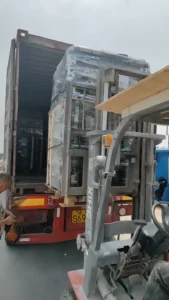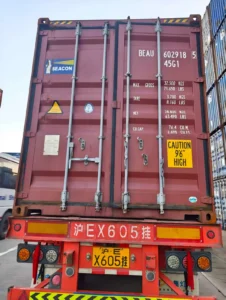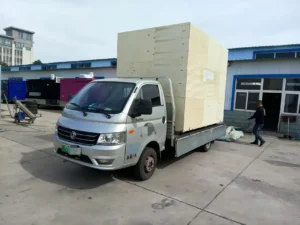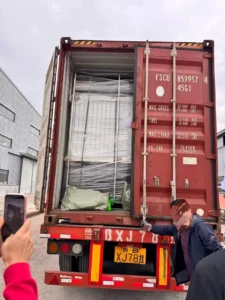
Sea freight from China to Canada is one of the most practical transportation options for importers shipping commercial cargo, machinery, building materials, furniture, consumer goods and other large-volume products.
BRF SHIPPING provides FCL, LCL and container shipping from China to Canada, covering factory pickup, warehouse receiving, consolidation, export customs coordination, ocean freight, Canadian port handling, rail transportation, truck delivery and final delivery to commercial destinations across Canada.
Cargo can be shipped from major Chinese ports including Shanghai, Ningbo, Shenzhen/Yantian, Qingdao, Tianjin/Xingang, Xiamen and Guangzhou/Nansha, with Canadian ocean gateways including Vancouver, Prince Rupert, Montreal and Halifax.
For customers looking for a broader overview covering sea freight, air freight, customs and inland delivery, visit our Shipping from China to Canada guide.
FCL & LCL Sea Freight from China to Canada
The two main ocean freight options from China to Canada are FCL — Full Container Load and LCL — Less than Container Load.
FCL is normally used when one importer requires a dedicated shipping container.
LCL allows smaller shipments from different importers to be consolidated into one container.
The right option depends on:
- Cargo volume
- Gross weight
- Product type
- Packaging
- Origin location
- Canadian destination
- Required transit time
- Origin and destination charges
BRF SHIPPING can compare both options based on the actual shipment rather than recommending FCL or LCL based only on cargo volume.
Major China to Canada Ocean Freight Routes
China has multiple major container ports offering regular connections to Canada.
Common shipping routes include:
Shanghai to Vancouver
Shanghai is one of China’s largest export gateways and handles containerized cargo from Shanghai, Jiangsu, Zhejiang and surrounding manufacturing regions.
Vancouver is an important entry point for cargo moving into Western Canada and onward to inland destinations.
Ningbo to Vancouver
Ningbo-Zhoushan serves manufacturers throughout Zhejiang and the Yangtze River Delta.
This route is commonly used for:
- Machinery
- Furniture
- Building materials
- Industrial goods
- Consumer products
- E-commerce inventory
Shenzhen / Yantian to Vancouver
Yantian is a major export gateway for cargo produced in Shenzhen, Dongguan, Huizhou, Guangzhou and the wider Pearl River Delta.
Cargo can arrive in Vancouver before continuing by rail or truck to destinations such as:
- Calgary
- Edmonton
- Winnipeg
- Toronto
Qingdao to Vancouver
Qingdao is an important departure port for cargo from Shandong and northern China.
BRF SHIPPING can coordinate factory pickup from locations such as:
- Qingdao
- Weifang
- Yantai
- Dezhou
- Jinan
- Linyi
- Zibo
Cargo can then be loaded into a 20GP, 40GP or 40HQ container for export to Canada.
China to Prince Rupert
Prince Rupert is another important ocean gateway on Canada’s west coast.
Depending on carrier schedules, cargo entering through Prince Rupert may continue to inland Canadian destinations by rail and truck.
China to Montreal
Montreal is an important eastern Canadian gateway serving Quebec, Ontario and surrounding markets.
Depending on cargo origin and shipping line routing, services may involve direct or transshipment arrangements.
China to Halifax
Halifax provides access to Atlantic Canada and can also support cargo moving toward eastern Canadian destinations.
The most appropriate Canadian entry point depends not only on ocean freight but also on the final inland destination, rail connection, terminal costs and total landed logistics cost.
FCL Shipping from China to Canada
FCL shipping provides one importer with the use of a dedicated shipping container.
It is commonly selected for larger commercial shipments or cargo requiring greater control during transportation.
The main container types are:
20GP Container
A 20GP container is commonly used for:
- Heavy machinery
- Metal products
- Building materials
- Industrial cargo
- Dense commercial goods
A 20GP may be a practical option when the cargo is relatively heavy but does not require the volume of a larger container.
40GP Container
A 40GP provides significantly more loading capacity than a 20GP and is widely used for general commercial cargo.
Typical products include:
- Furniture
- Packaging products
- Construction materials
- Consumer goods
- Industrial components
40HQ Container
The 40HQ is one of the most frequently used container types for high-volume cargo from China to Canada.
BRF SHIPPING commonly handles 40HQ shipments involving:
- Building materials
- Aluminum products
- WPC products
- Fitness equipment
- Furniture
- Machinery
- Industrial components
- General merchandise
The additional internal height makes the 40HQ particularly suitable for cargo where volume is more important than weight.
Why Choose FCL Shipping?
FCL can provide several advantages:
- Dedicated container space
- Reduced cargo handling compared with consolidation
- Better control of loading
- Suitable for high-volume shipments
- Easier coordination for factory loading
- Convenient for multi-pallet commercial cargo
- Suitable for port-to-port or inland delivery
BRF SHIPPING can arrange either:
Factory Loading
or
Warehouse Loading
depending on supplier conditions and shipment requirements.
LCL Shipping from China to Canada
LCL shipping is designed for cargo that does not require a full container.
Instead of paying for an entire container, the importer uses part of the available container space.
LCL freight is normally calculated based on chargeable volume or weight, depending on the shipment.
China Warehouse Receiving
Suppliers can deliver cargo to a BRF-arranged warehouse or BRF SHIPPING can coordinate pickup from the supplier.
Warehouse services may include:
- Receiving
- Cargo checking
- Measurement
- Weighing
- Label checking
- Pallet coordination
- Consolidation
- Export preparation
Multi-Supplier Consolidation
LCL is especially useful for buyers purchasing from several Chinese suppliers.
For example:
Supplier A → BRF Warehouse
Supplier B → BRF Warehouse
Supplier C → BRF Warehouse
↓
Cargo Consolidation
↓
Export Shipment
This can reduce the need to organize several completely separate international shipments.
Major Canadian Ocean Gateways
One important part of planning ocean freight from China to Canada is selecting the correct Canadian gateway.
The lowest ocean freight rate does not always produce the lowest total logistics cost.
Inland rail and truck charges should also be considered.
Port of Vancouver
Vancouver is one of the most important entry points for container cargo arriving from Asia.
It is particularly relevant for cargo destined for:
- British Columbia
- Alberta
- Saskatchewan
- Manitoba
- Ontario
After arrival, containers may continue by rail or truck depending on the final destination.
Prince Rupert
Prince Rupert is another western Canadian container gateway.
It may provide a useful routing option depending on:
- Shipping line
- Sailing schedule
- Rail connection
- Destination
- Cargo-ready date
- Current capacity
Montreal
Montreal serves the Quebec market and can also support cargo moving to Ontario and surrounding regions.
For importers in eastern Canada, the total route should be compared against west-coast arrival plus inland rail transportation.
Halifax
Halifax is an important Atlantic gateway.
It can be considered for cargo destined for:
- Nova Scotia
- New Brunswick
- Prince Edward Island
- Newfoundland and Labrador
- Other eastern Canadian markets
The correct routing should always be selected according to the complete port + rail + truck cost.
Inland Delivery Across Canada
Not every major Canadian destination is an ocean port.
Many China-to-Canada shipments arrive at an ocean gateway and then continue inland.
Important inland commercial destinations include:
- Toronto
- Calgary
- Edmonton
- Winnipeg
- Saskatoon
- Ottawa
- Mississauga
A typical shipment may therefore follow a route such as:
Shenzhen
↓
Yantian Port
↓
Vancouver
↓
Rail
↓
Toronto
↓
Truck Delivery
↓
Importer Warehouse
This is why BRF SHIPPING considers the complete supply chain instead of quoting only the ocean port-to-port segment.
China to Canada Sea Freight Transit Time
Transit time depends on:
- China origin port
- Canadian destination
- Shipping line
- Direct or transshipment service
- Sailing frequency
- Port congestion
- Weather
- Rail capacity
- Inland transportation
Typical planning ranges may include:
| Route | Approximate Planning Range |
|---|---|
| China → Vancouver | 14–22 days |
| China → Prince Rupert | 15–24 days |
| China → Montreal | 28–42 days |
| China → Halifax | 28–42 days |
| LCL Sea Freight | 25–40+ days |
These figures should only be used for planning.
Actual transit time can change according to the carrier schedule, selected service, transshipment arrangements and inland delivery requirements.
For time-sensitive cargo, BRF SHIPPING recommends confirming the current sailing schedule before finalizing production and delivery dates.
What Affects Sea Freight Cost from China to Canada?
There is no single fixed rate for sea freight from China to Canada.
Rates change based on both the international freight market and shipment-specific requirements.
Instead of relying on an outdated online price table, importers should calculate the complete logistics cost.
The main factors include:
1. Container Type
Rates differ between:
- 20GP
- 40GP
- 40HQ
- LCL cargo
A larger container does not automatically mean a proportionally higher total cost per cubic meter.
2. Cargo Volume
For LCL shipments, CBM has a direct impact on freight cost.
For FCL shipments, cargo volume determines whether the importer should use:
- 20GP
- 40GP
- 40HQ
3. Cargo Weight
Heavy cargo may affect:
- Container selection
- Trucking
- Warehouse handling
- Loading method
- LCL chargeable weight
- Inland delivery
4. China Origin
Pickup from a factory near Qingdao will have a different origin cost from pickup in:
- Shanghai
- Ningbo
- Shenzhen
- Guangzhou
- Tianjin
- Xiamen
China domestic trucking should therefore be included in the total comparison.
5. Canadian Gateway
Ocean freight to Vancouver may be different from freight to Montreal or Halifax.
However, an importer should also consider where the cargo ultimately needs to be delivered.
A lower port freight rate may be offset by higher rail or trucking costs.
6. Shipping Line & Routing
Different carriers may provide:
- Different transit times
- Different transshipment arrangements
- Different free-time conditions
- Different equipment availability
- Different sailing schedules
The cheapest ocean freight is not always the most practical solution.
7. Season and Market Capacity
Rates can change because of:
- Peak shipping periods
- Holidays
- Equipment shortages
- Capacity changes
- Port congestion
- Carrier surcharges
For this reason, BRF SHIPPING recommends obtaining a current quotation based on the actual cargo-ready date.
8. Origin Charges
China-side costs may include:
- Factory pickup
- Warehouse receiving
- Container loading
- Export documentation
- Customs declaration
- Terminal charges
- Local transportation
9. Destination Charges
Canadian destination costs may include:
- Terminal handling
- Customs brokerage
- Rail transportation
- Truck transportation
- Warehouse handling
- LCL deconsolidation
- Container-related charges
Need a Current Rate?
For current sea freight rates from China to Canada, BRF SHIPPING recommends requesting a quotation based on the actual cargo details, container type and final delivery destination.
A live quotation is much more useful than relying on old fixed-rate tables.
China Factory Pickup & Container Loading
BRF SHIPPING can coordinate logistics before the cargo reaches the Chinese export port.
This is particularly useful for customers purchasing under EXW terms or buying from several Chinese suppliers.
Factory Pickup
Cargo can be collected from suppliers located throughout major Chinese manufacturing regions.
Pickup arrangements may include:
- Small truck
- Box truck
- Container trucking
- Factory container loading
- Warehouse transfer
Warehouse Receiving
Cargo can also be delivered to a nominated warehouse before export.
This is useful when:
- Several suppliers need consolidation
- Cargo is not ready at the same time
- Products require checking
- LCL cargo requires receiving
- Loading needs to be coordinated separately
Container Loading
BRF SHIPPING can coordinate:
- 20GP loading
- 40GP loading
- 40HQ loading
- Pallet loading
- Carton cargo loading
- Machinery loading
- Commercial cargo loading
The loading plan should consider cargo weight distribution, packaging and container capacity.
Canada Port, Rail & Truck Delivery
Sea freight does not necessarily end at the Canadian port.
For many importers, the final destination is an inland warehouse, factory, distribution center or commercial address.
A complete logistics chain may include:
China Supplier
↓
Factory Pickup
↓
China Export Port
↓
Ocean Freight
↓
Canadian Ocean Gateway
↓
Rail Transportation
↓
Canadian Inland Terminal
↓
Truck Delivery
↓
Customer Warehouse
BRF SHIPPING can coordinate suitable inland transportation according to destination and shipment conditions.
This is particularly relevant for customers shipping to:
- Toronto
- Calgary
- Edmonton
- Winnipeg
- Saskatoon
- Ottawa
- Mississauga
FCL vs LCL Shipping from China to Canada
Choosing FCL or LCL should not be based on one fixed CBM rule.
The correct choice depends on the entire logistics cost.
| Factor | LCL | FCL |
|---|---|---|
| Cargo Size | Smaller shipments | Medium to large shipments |
| Container Use | Shared | Dedicated |
| Pricing | CBM / weight based | Container based |
| Consolidation | Required | Not required |
| Cargo Handling | More handling | Less handling |
| Transit | Additional CFS time possible | Usually simpler |
| Loading Control | Limited | Higher |
| Best For | Smaller commercial shipments | Larger shipments |
For example, a larger LCL shipment may sometimes approach the total cost of an FCL container once origin and destination handling charges are considered.
BRF SHIPPING can compare the two options based on:
- CBM
- Weight
- Product
- China origin
- Canadian destination
- Required delivery time
Canada Customs & Shipping Documents
Ocean freight shipments entering Canada require accurate commercial and transportation documentation.
Common documents include:
Commercial Invoice
Should clearly show the commercial transaction and cargo information.
Packing List
Normally includes:
- Packages
- Weight
- Dimensions
- Cargo description
Bill of Lading
Issued for the ocean shipment.
HS Code
Correct tariff classification is important for Canadian import processing.
Importer Information
The Canadian importer should have the necessary commercial import arrangements in place.
Product-Specific Documents
Certain cargo may require additional certificates, permits or regulatory documents depending on the commodity.
For a broader overview covering customs, duties, CARM and other China-to-Canada import considerations, read our Shipping from China to Canada guide.
Need Door-to-Door Delivery in Canada?
BRF SHIPPING can also coordinate transportation after the ocean shipment arrives in Canada.
Depending on shipment requirements, services may include:
- Customs brokerage coordination
- Port pickup
- Rail transportation
- Container drayage
- Truck delivery
- Warehouse delivery
- Commercial address delivery
Door-to-door logistics should be quoted according to the actual Canadian destination, cargo type and import arrangement.
Why Choose BRF SHIPPING for China to Canada Sea Freight?
International ocean freight involves more than simply booking space on a vessel.
BRF SHIPPING focuses on coordinating the full transportation chain.
Our services can include:
China Origin
- Factory pickup
- Supplier coordination
- Warehouse receiving
- Multi-supplier consolidation
- Container loading
- Export customs coordination
International Freight
- FCL
- LCL
- 20GP
- 40GP
- 40HQ
- Carrier booking
- Route planning
Canada Destination
- Customs coordination
- Port handling
- Rail transportation
- Truck delivery
- Warehouse delivery
- Inland transportation
This makes BRF SHIPPING suitable for importers looking for one logistics partner to coordinate cargo from the Chinese supplier through to the Canadian destination.
Sea Freight from China to Canada FAQ
How long does sea freight from China to Canada take?
China to Vancouver ocean transit may often be planned around approximately 14–22 days, while eastern Canadian routes may require longer.
Actual transit depends on the origin port, carrier, routing, congestion and inland transportation.
Is FCL or LCL better for shipping from China to Canada?
LCL is generally suitable for smaller shipments, while FCL provides a dedicated container.
However, the correct option should be determined by comparing the total origin, ocean freight and destination costs.
Which Chinese ports can I ship from?
BRF SHIPPING can coordinate shipments from major Chinese ports including:
- Shanghai
- Ningbo
- Shenzhen/Yantian
- Qingdao
- Tianjin/Xingang
- Guangzhou/Nansha
- Xiamen
Which Canadian ports can receive cargo from China?
Major Canadian ocean gateways include:
- Vancouver
- Prince Rupert
- Montreal
- Halifax
The best gateway depends on the final Canadian destination.
Can BRF SHIPPING pick up cargo from my supplier in China?
Yes.
Factory pickup can be coordinated before export according to the supplier location, cargo volume and shipment type.
Can BRF SHIPPING consolidate goods from several Chinese suppliers?
Yes.
Cargo from multiple suppliers can be received at a warehouse and consolidated where suitable before international shipment.
Can a container arriving in Vancouver be delivered to Toronto?
Yes, depending on shipment arrangements.
A common logistics structure may involve ocean freight to a western Canadian gateway followed by rail transportation and final truck delivery to Toronto.
Can BRF SHIPPING arrange 20GP, 40GP and 40HQ containers?
Yes.
Container selection depends on cargo volume, weight, dimensions and loading requirements.
What documents are required for sea freight to Canada?
Typical documents include:
- Commercial Invoice
- Packing List
- Bill of Lading
- HS Code information
- Importer details
Additional documents may be required depending on the cargo.
Can BRF SHIPPING arrange final delivery in Canada?
Yes.
Depending on the destination and shipment terms, BRF SHIPPING can coordinate rail, truck and commercial final delivery after arrival.
Get a Sea Freight Quote from China to Canada
Planning an FCL or LCL sea shipment from China to Canada?
Send BRF SHIPPING the following information:
- China pickup location
- Supplier address
- Cargo description
- HS Code, if available
- Number of packages
- Package dimensions
- Gross weight
- Total CBM
- Required container type
- Canadian destination
- Cargo-ready date
- Incoterm such as EXW, FOB or CIF
BRF SHIPPING can then evaluate the appropriate:
China Pickup → Export Port → Ocean Freight → Canadian Gateway → Rail / Truck → Final Delivery
solution for your shipment.
For broader China-to-Canada logistics information, visit:
BRF SHIPPING — China Freight Forwarding, Ocean Freight & Door-to-Door Logistics Solutions