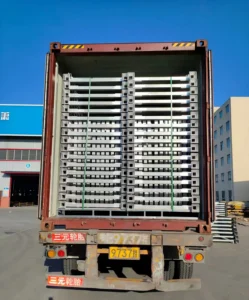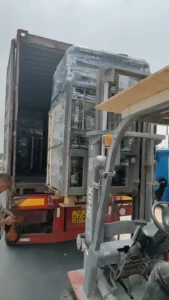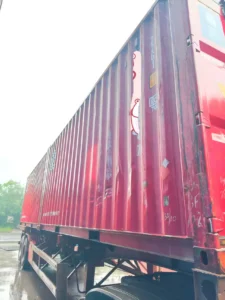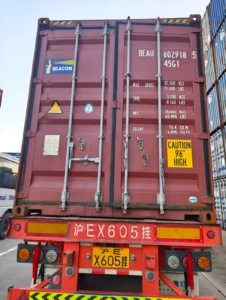
A chassis is the wheeled trailer that carries an ocean container from a U.S. port or rail ramp to a warehouse, job site or distribution center. For importers shipping from China, the chassis charge can be a meaningful part of the final-mile trucking bill. The cost depends on the equipment, route, rental period, terminal availability and delivery plan—not just the ocean freight rate.
This guide explains how to budget U.S. chassis fees, including BRF SHIPPING’s planning standard of at least two chassis days for local trucking, at least three days when the inland delivery distance exceeds 200 km, and a tri-axle chassis arrangement when cargo weight is above 22 metric tons.
In This Guide
- What a chassis fee covers
- BRF chassis-day and tri-axle planning rules
- What may appear on a U.S. drayage quote
- Factors that change chassis cost
- How to reduce avoidable charges
- U.S. container delivery checklist
- Frequently asked questions
What Is a Chassis Fee in U.S. Container Shipping?
A chassis is a wheeled frame used to move a 20-foot, 40-foot or other compatible container by road. A drayage truck connects the container to the chassis and transports it between the marine terminal, rail ramp and consignee’s delivery location. The chassis fee is the charge for using that equipment during the move.
Depending on the port, carrier, trucking company and equipment arrangement, the chassis may be supplied by a carrier, a terminal pool, a private pool or the trucker. A quote may show a chassis rental or usage charge as a separate line, include it in a bundled drayage rate, or apply additional charges when a separate chassis pickup or return is required.
Ask the forwarder to identify what the quoted trucking price includes. A low port-to-door rate may exclude chassis usage, chassis split, pre-pull, terminal waiting, storage or redelivery.
BRF Chassis-Day and Tri-Axle Planning Rules
For U.S. trucking quotations arranged by BRF SHIPPING, use the following planning assumptions when estimating chassis use:
| Delivery profile | Minimum planning allowance | What to confirm |
|---|---|---|
| Local delivery, up to 200 km | At least 2 chassis days | Terminal appointment, pickup and return timing, receiving hours, and the vendor’s billable-day definition |
| Inland delivery, over 200 km | At least 3 chassis days | Route distance, travel and unloading plan, empty return location, weekends or holidays, and equipment availability |
| Cargo weight above 22 metric tons | Arrange a tri-axle chassis | Confirm cargo weight, container tare and gross weight, axle limits, state and route restrictions, and trucker approval |
These are BRF shipment-planning and quotation assumptions, not a single nationwide U.S. tariff or a substitute for local road rules. Actual billable days and equipment requirements depend on the chassis provider, port or rail terminal, carrier, trucking company, route, delivery appointment and return arrangement. The final quote should state the applicable rate, minimum days and billing basis.
The 22-ton trigger is a practical instruction to arrange a tri-axle chassis for the shipment. Before dispatch, the trucker must also review the container gross weight—cargo plus container tare—and the legal axle-weight limits on the specific route. A tri-axle does not automatically make every load legal on every road; permits, route changes or other equipment may still be required.
What May Be Included in a U.S. Chassis and Drayage Quote?
Chassis usage is only one possible destination-side cost. Depending on the move, the total U.S. inland delivery quote may include:
- Drayage or trucking: the truck move from port or rail ramp to the delivery point.
- Chassis rental or usage: the chassis equipment charge for the agreed period, often subject to a minimum.
- Tri-axle equipment: a higher-capacity chassis arrangement for a qualifying heavy shipment, if required and available.
- Chassis split: an extra move when the driver must collect or return a chassis at a location separate from the container terminal.
- Pre-pull or storage: moving a container out of a congested terminal before the delivery appointment or holding it at a yard.
- Waiting time, dry run or redelivery: possible charges if a terminal, consignee or appointment issue prevents the planned move.
- Detention, demurrage or terminal storage: separate charges that may arise when a container is not picked up, unloaded or returned within the applicable free time.
These items are not interchangeable. For example, chassis rental relates to the equipment, while demurrage and detention relate to container or terminal time under the applicable carrier terms. Request a written breakdown so each charge, free-time period and exception is clear.
What Factors Affect Chassis Fees in the United States?
Delivery distance and route
A short local dray is different from a long inland move. Longer routes can require more time before the chassis and container are available for return, which is why the planning allowance increases when the destination is more than 200 km away. Confirm the mileage basis and whether the trucker measures distance from the port, rail ramp or another point.
Terminal and chassis-pool availability
Not every terminal has the same equipment supply or interchange process. If the required chassis is held at a separate pool, the trucker may need an additional trip. Port congestion, appointment limits and equipment shortages can also affect the plan.
Weight, container type and axle configuration
Heavy cargo may need a tri-axle chassis or additional compliance review. Share the cargo weight, container size, packing plan and verified gross weight early. A weight figure that excludes packaging or container tare can lead to a poor equipment decision.
Receiving conditions and return timing
Warehouse hours, unloading capacity, delivery appointments, empty-container return location and weekend schedules influence how quickly the trucker can complete the move. If a facility cannot unload on the planned date, chassis or truck costs may continue or new charges may apply.
How Importers Can Reduce Avoidable Chassis Charges
- Share the exact delivery ZIP code and route requirements. Include the warehouse address, access restrictions and whether the location is more than 200 km from the port or rail ramp.
- Confirm the receiving appointment before container pickup. Check unloading hours, dock or yard access, labor availability and the expected unload time.
- Send accurate weight and dimensions. Provide cargo weight and packed dimensions, then confirm container gross weight and the appropriate axle configuration with the U.S. trucker.
- Ask how the minimum chassis days are counted. Confirm whether the provider uses calendar days, rental days or another billing convention, and when the clock starts and stops.
- Confirm the empty-return plan. Ask where the empty container and chassis must be returned and whether a split move or separate return charge is expected.
- Coordinate customs release and delivery readiness. A container that cannot be collected or delivered on schedule may incur storage, waiting, pre-pull or rescheduling charges.
- Compare the full delivered cost. Evaluate ocean freight, destination handling, chassis, drayage, customs coordination and final delivery together.
For broader China-to-USA planning, see BRF SHIPPING’s China to USA shipping hub, sea freight from China to USA guide and China to USA shipping cost guide.
Information Needed to Quote U.S. Chassis and Container Delivery
To assess the chassis and final-mile plan, send BRF SHIPPING:
- U.S. port or rail ramp and final delivery address or ZIP code
- Container size and type, such as 20GP or 40HQ
- Cargo description, packing dimensions and cargo weight
- Container gross weight or verified gross mass when available
- Whether the inland delivery route exceeds 200 km
- Delivery appointment, unloading hours and equipment available at the consignee’s site
- Requested delivery date, empty-return location and any special access or permit details
- Required service scope, such as port pickup, customs-broker coordination and door delivery
For shipments above 22 metric tons of cargo, flag the weight at the quotation stage so a tri-axle chassis can be arranged and the route can be checked before dispatch. BRF SHIPPING coordinates China pickup, export handling, ocean freight, U.S. customs-broker workflow and final truck delivery according to the agreed shipment scope. Learn more about U.S. customs clearance from China and 40ft container shipping cost from China to USA.
U.S. Chassis Fee FAQs
How many chassis days should I budget for a U.S. container delivery?
For BRF SHIPPING planning, allow at least two chassis days for local trucking. If the inland delivery distance exceeds 200 km, plan for at least three days. The actual bill depends on the provider’s rental terms, terminal timing and shipment circumstances, so confirm the day-counting basis in the written quote.
When should a tri-axle chassis be arranged?
BRF’s planning trigger is cargo weight above 22 metric tons: arrange a tri-axle chassis. The U.S. trucker must still verify container gross weight, axle limits, route restrictions, permits and equipment availability before dispatch.
Is the chassis fee included in ocean freight?
Usually, an ocean freight rate and a U.S. chassis or drayage charge cover different parts of the move. Check whether the quotation is port-to-port or door-to-door and ask for destination charges to be itemized.
What is a chassis split fee?
A chassis split fee may apply when the driver needs to collect or return the chassis at a separate location from the container pickup or delivery point. The exact charge depends on the local equipment arrangement and trucker tariff.
Does a tri-axle chassis eliminate overweight risk?
No. It is an equipment arrangement for heavier loads, but the trucker must still check the container’s gross weight, axle distribution, state and route limits, and any permit requirements. Share complete weight data before the container leaves the port.
Can chassis charges increase after delivery is booked?
They can if the actual rental period exceeds the quoted minimum, delivery is delayed, the consignee is unavailable, a chassis split is needed or the route/equipment plan changes. Confirm free time, accessorial charges and the return plan before dispatch.
Plan Your China-to-USA Container Delivery with BRF SHIPPING
Chassis planning should be confirmed before a container is released from the U.S. terminal. Share the destination ZIP code, delivery distance, container size, cargo weight, gross weight and unloading schedule so the right chassis type and minimum rental period can be included in the quote.
Request a China-to-USA freight plan from BRF SHIPPING or email Quotation@brfshippinggroup.com.