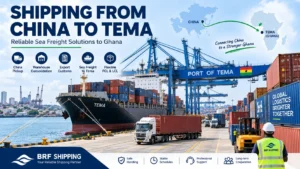
Internal Yard vs External Yard: Key Differences in Container Logistics
In international shipping, understanding internal yard and external yard operations is critical for reducing delays, avoiding demurrage, and improving supply chain efficiency.
At BRF SHIPPING, we help importers and exporters optimize yard selection to reduce costs, speed up delivery, and improve cargo flow.
What Is a Container Yard?
A container yard (CY) is a designated area used for:
- Container storage
- Cargo handling and transfer
- Pre-loading and post-unloading operations
It acts as a key connection point between ports, trucks, and warehouses.
What Is an Internal Yard?
Definition
An internal yard is located inside the port terminal and is the core area for container loading and unloading operations.
Key Features
- Located within port/terminal boundaries
- Used for short-term storage (usually <72 hours)
- Closely connected to vessel operations
- Requires customs clearance before pickup
- Limited space, often requires appointment
Typical Flow
Ship → Internal Yard → Truck Pickup
Use Cases
- Immediate import pickup
- Export containers ready for loading
- Time-sensitive shipments
Internal yards prioritize speed of port operations, not storage.
What Is an External Yard?
Definition
An external yard is located outside the port, typically 5–50 km away, acting as a buffer storage and logistics hub.
Key Features
- Located outside terminal area
- Supports medium to long-term storage
- Used for container consolidation & distribution
- Faster pickup in many cases (less congestion)
- Flexible operations (less strict port control)
Typical Flow
Ship → Terminal → External Yard → Customer Pickup
Use Cases
- Cross-border e-commerce staging
- Consolidation of cargo
- Waiting for customs clearance or trucking
- Overflow storage during peak season
External yards reduce port congestion and increase flexibility.
Internal Yard vs External Yard: Key Differences
| Factor | Internal Yard | External Yard |
|---|---|---|
| Location | Inside port | Outside port (5–50 km) |
| Storage Time | Short-term | Medium/long-term |
| Efficiency | Slower pickup (procedures) | Faster pickup (flexible) |
| Customs | Required before release | Pre-inspection possible |
| Space | Limited | More flexible |
| Main Role | Loading/unloading | Storage & distribution |
Why This Difference Matters in Shipping
Choosing the wrong yard can lead to:
- Demurrage charges
- Delayed container pickup
- Congestion-related costs
- Inefficient trucking
Example:
Keeping containers too long in an internal yard → high port charges
Moving them early to external yard → cost savings + flexibility
How BRF SHIPPING Optimizes Yard Strategy
At BRF SHIPPING, we don’t just move cargo — we design smart yard logistics solutions.
1. Smart Yard Allocation
- Decide internal vs external yard based on cargo type
- Reduce unnecessary port storage
2. Demurrage Cost Control
- Move containers out of terminal quickly
- Use external yard as buffer
3. Faster Container Pickup
- Pre-arranged trucking
- Avoid port congestion delays
4. Integrated Logistics Planning
- Combine yard + customs + trucking
- End-to-end visibility
Advanced Strategy: When to Use Each Yard
Use Internal Yard When:
- You need fast loading/unloading
- Cargo is ready for immediate delivery
- Tight shipping schedule
Use External Yard When:
- You need extra storage time
- Handling bulk or multiple shipments
- Waiting for documents or customs clearance
Real Case: Cost Optimization with BRF SHIPPING
Scenario:
- Route: China → Canada
- Cargo: 40HQ containers
- Issue: Port congestion + delayed customs
Solution:
- Move containers from internal yard → external yard
Result:
- Avoid demurrage fees
- Save storage cost
- Improve delivery flexibility
Cost reduction: 15%–25% logistics savings
Common Mistakes to Avoid
- Leaving containers too long in internal yard
- Not planning yard allocation in advance
- Ignoring port congestion risks
- No coordination between customs & trucking
FAQ: Internal vs External Yard
Which yard is cheaper?
External yard is usually cheaper for storage, while internal yard is optimized for speed.
Can I move containers between yards?
Yes — this is a common strategy to reduce demurrage.
Does external yard require customs clearance?
Not always — some processes can be done before entering the port.
Why Choose BRF SHIPPING?
- 13+ years logistics experience
- Global port & yard network
- Strong cost-control capability
- Expertise in FBA & cross-border shipping
- Door-to-door (DDP/DDU) solutions
We help you choose the right yard, reduce costs, and move faster.
Get a Free Logistics Plan
Need help choosing between internal yard and external yard?
Contact CHINA BRF SHIPPING for a customized shipping solution:
- Sea Freight
- Air Freight
- Container Storage
- Door-to-Door Delivery