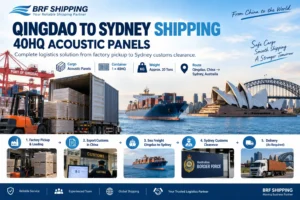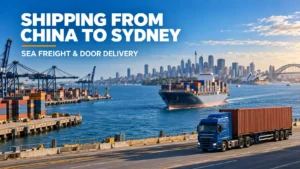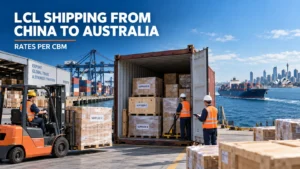
Importing goods from China to Australia is one of the most profitable global trade opportunities—but it also involves strict regulations, documentation, and logistics planning.
China is Australia’s largest trading partner, with imports exceeding $100 billion annually, making efficient supply chain management essential for businesses.
At BRF SHIPPING, we help importers streamline the entire process—from supplier sourcing to final delivery—while minimizing risks and costs.
Step-by-Step Import Process (China → Australia)
Step 1: Check Product Regulations & Restrictions
Before placing any order, confirm your product is allowed into Australia.
- Regulated by:
- Australian Border Force (ABF)
- Department of Agriculture (DAFF)
- Restricted items include:
- Food, plants, chemicals, medical products
Verifying HS codes and import eligibility is the first critical step.
Step 2: Find a Reliable Supplier in China
Choosing the right supplier directly impacts product quality and delivery success.
Recommended actions:
- Use platforms like Alibaba or trade shows
- Request samples before bulk orders
- Conduct factory audits if possible
- Sign clear contracts
Poor supplier selection is one of the biggest risks in importing.
Step 3: Choose the Right Shipping Method
There are three main logistics options:
Sea Freight (Most Popular)
- Cost-effective for bulk cargo
- Options: FCL (Full Container Load) / LCL (Less than Container Load)
Air Freight
- Faster but more expensive
- Suitable for urgent or high-value goods
Express / Courier
- Best for small shipments or e-commerce
Most shipments from China to Australia move by sea, with transit times around 18–30 days.
Step 4: Prepare Shipping Documents
Accurate documentation is essential for customs clearance.
Key Documents:
- Commercial Invoice
- Packing List
- Bill of Lading (B/L) or Air Waybill
- Certificate of Origin
- Import permits (if required)
Missing or incorrect documents are a top cause of delays and inspections.
Step 5: Customs Clearance in Australia
Once goods arrive, they go through strict customs and biosecurity checks.
Authorities involved:
- Australian Border Force (ABF)
- DAFF (biosecurity inspection)
Process includes:
- Document verification
- Biosecurity inspection
- Duty & GST assessment
Australia has some of the strictest quarantine regulations in the world.
Step 6: Pay Duties, GST & Import Fees
Importers must pay:
- Import duty (based on HS code)
- 10% GST on most goods
- Import processing charges
- Port & handling fees
Under the China–Australia Free Trade Agreement (ChAFTA), many products enjoy reduced or zero tariffs, improving profitability.
Step 7: Cargo Release & Final Delivery
After clearance:
- Customs releases cargo
- Goods are delivered to:
- Warehouse
- Retail store
- Final customer
Many businesses rely on freight forwarders for door-to-door delivery.
Step 8: Post-Import Compliance
Importers must:
- Keep records for at least 5 years
- Ensure ongoing compliance with regulations
This helps avoid penalties and future audits.
Common Challenges When Importing
Even experienced importers face issues such as:
Customs Delays
Incorrect documents or inspections can delay shipments
Hidden Costs
- Demurrage
- Storage fees
- Inspection charges
Product Compliance Issues
Goods not meeting Australian standards may be:
- Rejected
- Destroyed
- Returned
Non-compliance can result in fines or cargo seizure.
Pro Tips to Import Successfully
At BRF SHIPPING, we recommend:
Verify HS Codes Carefully
Incorrect classification leads to wrong duties
Plan Shipping Timeline
Include buffer time for customs and delays
Use Cargo Insurance
Protect against loss or damage
Understand Total Landed Cost
Include:
- Product cost
- Shipping
- Duties
- GST
- Fees
Work with Experienced Forwarders
Professional support reduces risks and improves efficiency
How BRF SHIPPING Supports Your Import Business
BRF SHIPPING provides end-to-end logistics solutions for China–Australia trade:
Our Services:
- ✔ Ocean freight (FCL / LCL)
- ✔ Air freight solutions
- ✔ Customs clearance & compliance
- ✔ Door-to-door delivery
- ✔ Supplier-to-warehouse logistics
Our Advantages:
- Strong network across China ports (Shanghai, Ningbo, Shenzhen, Qingdao, etc.)
- Expertise in Australian customs & biosecurity rules
- Cost optimization through route and container solutions
- Real-time shipment tracking
We simplify complex international logistics into a smooth, reliable process.
What Shippers Should Do Now
To succeed in importing from China to Australia:
- Review product compliance before ordering
- Choose reliable suppliers
- Prepare accurate documents
- Plan logistics in advance
- Partner with experts like BRF SHIPPING
Conclusion
Importing from China to Australia involves multiple steps—but with the right approach, it can be highly profitable.
- Preparation = Fewer delays
- Compliance = Lower risk
- Right partner = Better efficiency
With BRF SHIPPING, you gain a trusted logistics partner to handle every stage—from sourcing to final delivery—ensuring your cargo arrives safely, on time, and cost-effectively.