BRF SHIPPING Global Warehouse & Fulfillment Services
Introduction to Australia’s Major Ports
Australia is one of the world’s largest trading nations, heavily dependent on maritime transportation for imports, exports, and domestic coastal logistics. Due to its geographic location and strong global trade connections, Australian ports play a critical role in international shipping and supply chain operations.
From container terminals in Melbourne and Sydney to bulk cargo hubs like Port Hedland and Dampier, Australia’s ports support industries including:
- Mining
- Agriculture
- Manufacturing
- Retail
- Energy
- Construction
- E-commerce
For importers and exporters shipping between China and Australia, understanding Australia’s major ports helps optimize transit times, freight costs, customs clearance, and inland delivery planning.

Why Australian Ports Are Important for Global Trade
Australia relies on seaports for the majority of its international cargo movement. Because the country is surrounded by ocean, maritime transport remains the backbone of its logistics infrastructure.
Australian ports handle:
- Container cargo
- Iron ore exports
- Coal shipments
- LNG exports
- Agricultural products
- Vehicles
- Industrial equipment
- Consumer goods
Major shipping routes connect Australia with:
- China
- Southeast Asia
- Europe
- North America
- Middle East markets
This makes Australia one of the most strategically important shipping markets in the Asia-Pacific region.
Top Major Ports in Australia
Port of Melbourne
Port of Melbourne is Australia’s busiest container and general cargo port.
Key advantages include:
- Handles around 37% of Australia’s container trade
- Strong rail and trucking infrastructure
- Major gateway for imports into southeastern Australia
- Important hub for retail and manufacturing cargo
The port processes millions of TEUs annually and supports over 3,500 vessel calls every year.
Best Cargo Types
- Consumer goods
- Furniture
- Building materials
- Machinery
- E-commerce cargo
Port Botany (Sydney)
Port Botany is one of Australia’s largest container ports and the main freight gateway for Sydney.
Key features:
- Operates 24/7
- Handles approximately 2.5 million TEUs annually
- Major hub for containerized imports
- Strong customs and distribution infrastructure
The port is essential for businesses targeting the New South Wales market.
Port of Brisbane
Port of Brisbane is among Australia’s fastest-growing ports.
Main advantages:
- More than 2,600 vessel visits annually
- Handles over 28 million tons of cargo
- Important logistics gateway for Queensland
- Modern container and bulk cargo facilities
Brisbane is widely used for imports from China and Southeast Asia.
Port of Fremantle
Port of Fremantle is Western Australia’s primary container and general cargo port.
Highlights include:
- Major hub for Western Australia imports
- Handles containerized cargo and vehicle imports
- Strong mining and industrial cargo support
- Inner and outer harbor operations
The port is critical for western Australia supply chains.
Port of Adelaide
Port of Adelaide serves as South Australia’s primary maritime gateway.
Key functions:
- General cargo handling
- Agricultural exports
- Industrial imports
- Container freight operations
The port supports both domestic and international trade networks.
Australia’s Largest Bulk Cargo Ports
Port Hedland
Port Hedland is one of the world’s largest bulk export ports.
Main exports include:
- Iron ore
- Lithium
- Salt
The port handles hundreds of millions of tons of cargo annually and plays a major role in Australia’s mining exports.
Port of Dampier
Port of Dampier is a major industrial export port.
The port specializes in:
- LNG exports
- Iron ore
- Salt
- Petrochemical cargo
It is closely connected to Australia’s mining industry.
Port of Gladstone
Port of Gladstone is one of Australia’s largest multi-commodity ports.
Key cargo includes:
- Coal
- Alumina
- Aluminum
- Petroleum products
- General cargo
Gladstone is also one of the world’s largest coal export terminals.
Other Important Australian Ports
Australia has many regional and specialized ports supporting mining, agriculture, tourism, and domestic logistics.
Important ports include:
- Port of Darwin
- Port of Geelong
- Port of Townsville
- Port Kembla
- Port of Weipa
- Port of Bunbury
- Port of Albany
- Port of Mackay
- Port of Portland
- Port of Cairns
These ports support regional economic development and international exports.
Main Shipping Routes From China to Australia
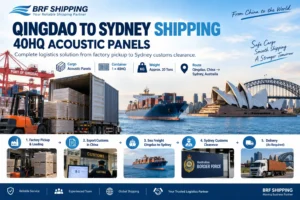
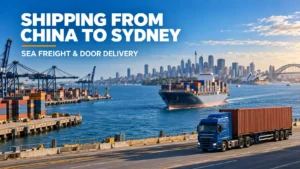
BRF SHIPPING regularly handles cargo shipments from major China ports to Australia.
Major China Export Ports
- Shanghai
- Ningbo
- Shenzhen
- Qingdao
- Tianjin
- Xiamen
- Dalian
Main Australia Destination Ports
- Melbourne
- Sydney
- Brisbane
- Fremantle
- Adelaide
Shipping methods include:
- FCL shipping
- LCL shipping
- Door-to-door shipping
- DDP shipping
- Air freight
- Amazon FBA logistics
How to Choose the Right Australian Port
Selecting the correct Australian port depends on several factors.
1. Final Delivery Location
Choose ports closest to the final consignee to reduce inland trucking costs.
2. Cargo Type
Different ports specialize in different cargo:
| Cargo Type | Recommended Ports |
|---|---|
| Container Cargo | Melbourne, Sydney, Brisbane |
| Mining Cargo | Port Hedland, Dampier |
| Agricultural Cargo | Adelaide, Gladstone |
| Vehicle Imports | Fremantle, Port Kembla |
| LNG & Energy Cargo | Dampier, Darwin |
3. Customs Clearance Efficiency
Large container ports generally provide faster customs processing and better inspection infrastructure.
4. Shipping Schedule Availability
Major ports offer:
- More weekly sailings
- Better carrier availability
- Faster transshipment options
This helps reduce delays and improve supply chain reliability.
Challenges Facing Australian Ports
Australian ports continue to face logistics challenges, including:
- Port congestion
- Container shortages
- Labor disruptions
- Rising shipping costs
- Cybersecurity risks
- Infrastructure bottlenecks
Industry discussions have highlighted how global supply chain disruptions and port congestion affected Australia during recent years.
BRF SHIPPING Australia Freight Solutions
BRF SHIPPING provides comprehensive logistics services between China and Australia, including:
- Sea freight
- Air freight
- Customs clearance
- Overseas warehousing
- Door-to-door delivery
- FCL & LCL shipping
- Project cargo handling
Our team helps clients select the most suitable Australian port based on:
- Cargo type
- Delivery timeline
- Budget
- Customs requirements
- Final destination
FAQ – Australia Ports & Shipping
What is the busiest port in Australia?
Port of Melbourne is Australia’s busiest container port.
Which Australian port is best for China shipping?
The most commonly used ports for China-Australia trade are:
- Melbourne
- Sydney (Port Botany)
- Brisbane
- Fremantle
Which port handles the most iron ore exports?
Port Hedland is one of the world’s largest iron ore export ports.
Can BRF SHIPPING provide door-to-door shipping to Australia?
Yes. BRF SHIPPING provides complete China-to-Australia logistics solutions, including customs clearance and final delivery.
Contact BRF SHIPPING
If you are importing cargo into Australia, BRF SHIPPING can help you choose the best shipping route and destination port for your business.
We provide reliable freight forwarding solutions from China to all major Australian ports.