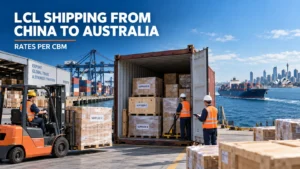
Regional Trade Expansion Is Creating New Opportunities for Global Shipping
The global container shipping industry is entering a new phase of transformation. While traditional East-West trade routes between Asia, Europe, and North America remain important, a new growth engine is emerging: regional trade integration.
According to recent global economic outlook reports, regional trade agreements now account for more than 60% of global trade volume, compared with approximately 40% in the early 1990s. As countries seek supply chain resilience, diversify sourcing strategies, and strengthen regional economic cooperation, cargo flows are increasingly moving within regions rather than solely across oceans.
For logistics providers, freight forwarders, and global shippers, this shift represents one of the most significant opportunities of the next decade.
At BRF Shipping, we are already helping customers adapt through flexible ocean freight, air freight, customs clearance, and door-to-door logistics solutions across major global trade corridors.

The Rise of Regional Supply Chains
For decades, globalization was driven by large-scale manufacturing concentrated in Asia and distributed worldwide through major shipping routes.
Today, several factors are reshaping that model:
- Nearshoring and friend-shoring strategies
- Growing regional trade agreements
- Supply chain diversification
- Geopolitical uncertainty
- Rising demand for faster delivery times
As a result, regional trade lanes are expanding rapidly.
Key growth corridors include:
Intra-Asia Trade
Asia remains the world’s largest manufacturing hub.
Trade between:
- China
- Vietnam
- Thailand
- Malaysia
- Indonesia
- Philippines
- South Korea
- Japan
continues to expand as manufacturers diversify production locations while maintaining regional supply networks.
BRF Shipping Advantage
BRF Shipping provides:
- China export logistics
- FCL and LCL shipping
- Customs clearance support
- Warehousing and consolidation
- Door-to-door delivery
from major Chinese ports including:
- Shanghai
- Ningbo
- Qingdao
- Tianjin
- Xiamen
- Shenzhen
- Dalian
to destinations throughout Asia.
China–Australia Trade Corridor
Australia continues to rely heavily on imports from China for:
- Building materials
- Aluminum fencing
- Composite decking
- Wall panels
- Machinery
- Consumer goods
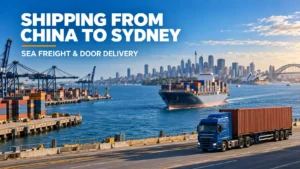
BRF Shipping has extensive experience handling shipments from China to:
- Sydney
- Melbourne
- Brisbane
- Adelaide
- Fremantle
including:
- DDP shipping
- DDU shipping
- Customs clearance
- Final-mile delivery
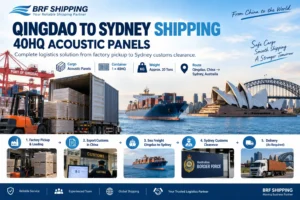
Our recent projects include aluminum fencing, WPC fencing, acoustic panels, and construction materials delivered directly to Australian warehouses and job sites.
China–North America Nearshoring Supply Chains
Nearshoring is driving increased cargo movement between:
- Mexico and the United States
- Canada and the United States
At the same time, Chinese manufacturers continue supplying raw materials, components, and finished products into these regional production networks.
BRF Shipping supports:
- China to Los Angeles
- China to Oakland
- China to Houston
- China to Savannah
- China to New York
- China to Toronto
- China to Vancouver
- Laem Chabang to Savannah
through both ocean freight and air freight solutions.
Shipping Networks Are Evolving Beyond Mega-Vessels
The traditional shipping model focused on ultra-large container vessels serving major hub ports.
However, the rapid growth of regional trade is creating demand for:
- Mid-sized container ships
- Feeder services
- Direct regional connections
- Point-to-point logistics networks
Industry analysts believe future freight growth will increasingly come from regional shipping routes rather than solely from long-haul East-West trades.
For importers and exporters, this means:
✅ More routing options
✅ Greater supply chain flexibility
✅ Reduced transit risks
✅ Faster regional distribution
BRF Shipping continuously evaluates carrier networks to secure the most efficient routing options for customers worldwide.
Clean Energy Investments Are Generating New Cargo Demand
Another major growth driver is the global energy transition.
Worldwide investment in clean energy infrastructure has surpassed trillions of dollars annually, creating significant transportation demand across multiple industries.
Products driving future cargo growth include:
Solar Panels
Large-scale solar projects require massive shipments of:
- Photovoltaic modules
- Mounting systems
- Electrical components
Battery Storage Systems
The rapid expansion of energy storage creates demand for transportation of:
- Lithium batteries
- Energy storage containers
- Power conversion equipment
Wind Energy Equipment
Growing wind power investments require:
- Turbine components
- Towers
- Electrical systems
- Supporting infrastructure
BRF Shipping supports renewable energy projects through customized logistics planning and oversized cargo solutions.
AI Infrastructure Is Creating New Freight Opportunities
Artificial Intelligence is another emerging demand driver.
The global expansion of data centers requires transportation of:
- Servers
- Cooling systems
- Electrical equipment
- Backup generators
- Power distribution systems
As cloud computing and AI applications continue expanding, logistics providers capable of handling project cargo and high-value equipment shipments will benefit significantly.
BRF Shipping offers specialized freight solutions for technology manufacturers and infrastructure developers requiring reliable international transportation.
Why China Remains the Center of Global Manufacturing
Although global supply chains are diversifying, China remains one of the most important manufacturing and export hubs in the world.
China continues to dominate production of:
- Construction materials
- Aluminum products
- Machinery
- Renewable energy equipment
- Consumer goods
- Industrial components
With access to major ports across China, BRF Shipping helps overseas buyers streamline sourcing and transportation from factory to final destination.
How BRF Shipping Helps Businesses Navigate the New Trade Era
As global trade patterns evolve, businesses require logistics partners capable of adapting quickly.
BRF Shipping provides:
Ocean Freight
- FCL Shipping
- LCL Consolidation
- Carrier Contract Rates
Air Freight
- Express Cargo Solutions
- Urgent Shipments
- Airport-to-Door Services
Customs Clearance
- Import Compliance
- Export Documentation
- Duty Management
Door-to-Door Logistics
- DDP Shipping
- DDU Shipping
- Last-Mile Delivery
China-Wide Coverage
Including:
- Dalian
- Tianjin
- Qingdao
- Shanghai
- Ningbo
- Xiamen
- Shenzhen
Frequently Asked Questions
Will regional trade reduce international shipping demand?
No. Regional trade is changing cargo flows rather than reducing overall trade volume. New regional supply chains often generate additional transportation demand.
Which regions are expected to grow fastest?
Industry forecasts point to strong growth in:
- Intra-Asia trade
- China-Australia trade
- North American regional supply chains
- African regional trade corridors
How can importers reduce supply chain risk?
Diversifying suppliers, utilizing multiple transportation modes, and partnering with experienced freight forwarders like BRF Shipping can significantly improve resilience.
Is China still a strong sourcing destination?
Absolutely. China remains one of the world’s largest manufacturing centers and continues to play a critical role in global supply chains.
Conclusion
The future of container shipping will be shaped by three major forces:
- Regional Trade Integration
- Clean Energy Investment
- AI Infrastructure Expansion
Together, these trends are creating new trade corridors, transforming shipping networks, and opening significant opportunities for global businesses.
For companies importing from China or expanding into new markets, choosing the right logistics partner is more important than ever.
BRF Shipping is ready to support your business with reliable ocean freight, air freight, customs clearance, and door-to-door logistics solutions across the world’s fastest-growing trade routes.